Microplastics in our environment – concerns and legislative developments
Microplastics in our environment – Concerns and legislative developments
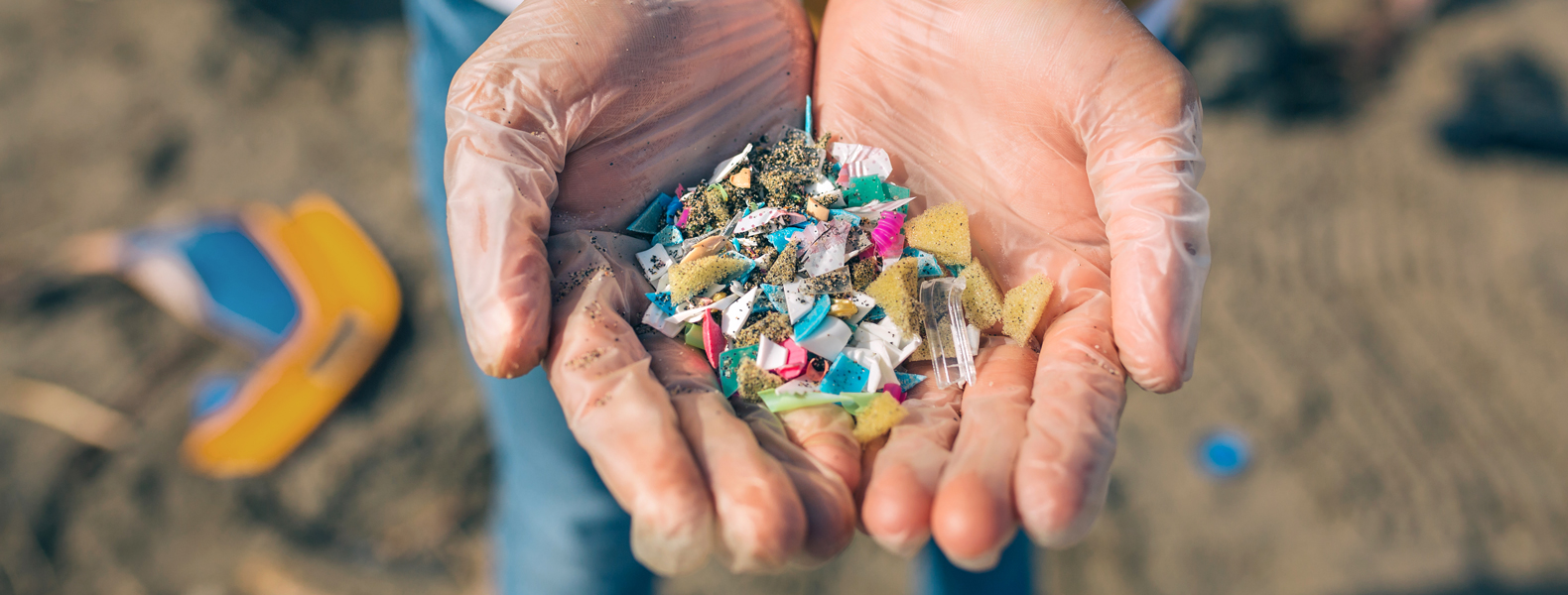
Microplastics are found in growing quantities in the environment. They are tiny plastic particles, smaller than 5 mm in diameter. Due to their small size and non-biodegradability, they are easily ingested and have a tendency of accumulating in the water, soil, and tissues of different organisms. Typical sources of microplastics include laundering of synthetic clothes, abrasion of tyres, and degradation of larger plastic objects like plastic bags. While there is no evidence of widespread risk to human health at present, there are increasing concerns about the build-up of microplastics in the environment.
The EU legislative landscape
Prompted by increased concerns, several EU Member States have already enacted national bans on intentionally added microplastics in consumer products, for example microbeads in cosmetics. Currently, however, no European law exists that addresses microplastics in a comprehensive manner. Thus, the European Union aims to tackle this issue without delay.
In the European Green Deal and the new Circular Economy Action Plan, the European Commission announced their ambitions for addressing the unintentional release of microplastics into the environment. Examples of these sources include tyres, synthetic textiles, and industrial plastic pellets. These initiatives are still at their early stages, however.
Another expected restriction is the European Commission’s proposal to restrict intentionally added microplastics, the draft for which was released in August of 2022. The restriction targets synthetic polymer microparticles below 5 mm and fiber-like particles below 15 mm that are used in products on intention and may result in environmental release. Once adopted, this restriction will impact a wide range of industries, banning the use of microplastics in cosmetics, detergents, sports fields, and various products in agriculture.
The latter mentioned proposal is currently making its way through the comitology and has not yet been enacted into law. We can expect months of waiting time. Meanwhile, we at Sweco can help business identify the key legal issues in the existing – and emerging – legislations.
Key legal issues
One of the key issues in the legislative framework is how (micro)plastics are defined. In the EU, the legal definition of “plastic” is interlinked with the term “polymer”. This analogy is not, however, without its challenges; while all plastics are comprised of polymers, not all polymers form plastics. In fact, all life forms are made up of some combination of polymers.
The Single-Use Plastics Directive offers some insight into the problems arising from the analogy between polymers and plastics. Furthermore, it has provided us with experience on how to interpret the exemptions. Just like in this Directive, unmodified natural polymers will likely be exempt from future restrictions. Biodegradability – another policy framework under development – will most likely form another central element in the coming legislations.
A way forward
The European legislature faces the challenge of creating a legislative framework which is sufficiently broad in scope to address the risks posed by microplastics, while allowing for appropriate and unambiguous exemptions and derogations.
The legislative landscape surrounding microplastics is thus far undefined and in motion: The definitions concerning microplastics are not yet firmly established, and the eventual scope of legislation is still uncertain. What we can expect is ever more stringent legislation which will affect a widening range of products.!
Aleksi Maunumäki, Environmental law specialist, aleksi.maunumaki@sweco.fi