The importance of biodiversity in sustainable cities | Resilience, livability and attractiveness
The development of cities is closely linked to biodiversity and the ecosystem services it provides. In urban areas, the importance of biodiversity becomes particularly evident in climate risk management, the quality of living environments, and the long-term sustainability of cities.
The importance of biodiversity in sustainable cities
The combined impacts of climate change and biodiversity loss are already visible in many cities, for example as increasing heat and urban flooding. These changes affect the functionality of urban structures, the quality of living environments, and the everyday lives of residents.
At Sweco, we ensure that biodiversity is considered in urban planning and construction in a timely and effective way – from strategy to implementation, from large-scale concepts to individual blocks.
Would you like to ensure that biodiversity is comprehensively addressed in your urban development or construction project?
Integrating biodiversity into sustainable urban planning and construction
The importance of biodiversity in sustainable urban planning is undeniable. Considering it in the built environment supports the state of nature, improves the functionality of living environments, and helps manage climate risks. When biodiversity is integrated into the planning of the built environment, it can enhance urban microclimates, reduce the impacts of extreme weather events, and increase the overall comfort of urban spaces.
A diverse urban environment also provides concrete benefits for people: for example, shading trees can reduce heat-related health issues. Urban green areas, such as woodlands and meadows, can enhance well-being by easing stress and supporting mood.
Sweco supports cities, municipalities, and construction experts in addressing biodiversity at all levels of planning—from strategy and zoning to the implementation of individual buildings and green areas.
Well-planned and well-managed biodiversity work also supports the requirements of green financing and the achievement of strategic environmental objectives.
The importance of biodiversity through collaboration:
The importance of biodiversity through collaboration:
- define strategic objectives for considering biodiversity as part of urban development
- integrate biodiversity into construction and urban planning: into master and and construction
- develop solutions that support ecosystem functioning and strengthen green infrastructure
- improve the functionality, comfort and sustainability of the urban environment
- meet statutory requirements — and exceed them
- fulfil the criteria of sustainable finance and the in different phases of the project
- support the fulfilment of biodiversity-related reporting obligations
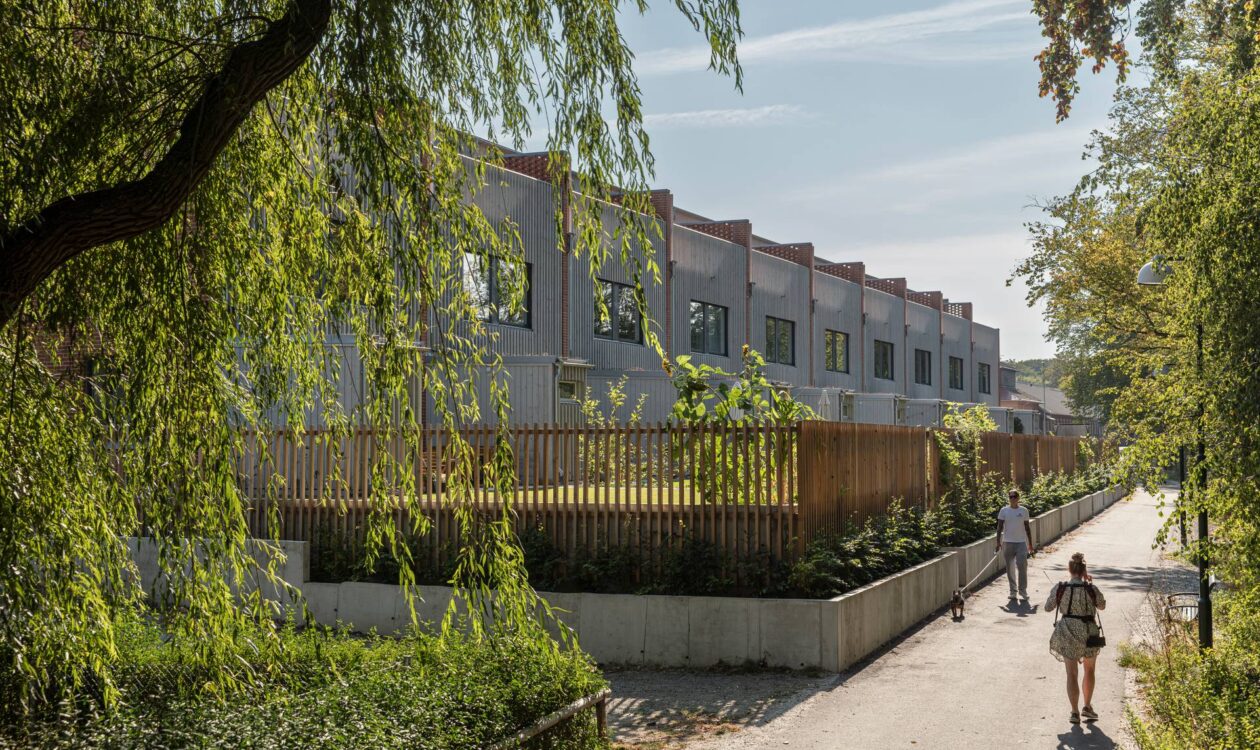
Biodiversity is becoming increasingly significant in regulation, sustainability criteria for construction, and access to financing. Understanding the importance of biodiversity helps cities prepare for changing requirements and identify opportunities related to development.
We support the City of Turku in its nature roadmap work, which defines concrete actions to strengthen biodiversity. Sweco has also developed a data‑driven biodiversity roadmap together with the City of Copenhagen, transforming urban nature survey data into actionable measures.
Biodiversity services as part of sustainable urban development and construction
At Sweco, we offer a comprehensive service portfolio that integrates biodiversity into the sustainability strategies, planning, land use, and built environment of cities and construction sector stakeholders.
- Biodiversity strategies and planning and procurement guidelines: We develop together a framework that enables biodiversity to be consistently integrated into urban planning objectives, land-use guidance, and decision-making at all levels of planning.
- Assessment of nature impacts and risks: We identify the city’s critical ecosystem services and evaluate how measures affect nature.
- Biodiversity surveys and geospatial analysis: We assess the current state of an area and identify locations where strengthening biodiversity has the greatest impact. The analysis considers both existing valuable nature sites and areas with potential to create new habitats or enhance biodiversity within the built environment.
- Expert support for environmental permits, land use, and zoning: We help meet biodiversity‑related permit requirements professionally and efficiently.
- Landscape design: Our landscape designers integrate the functional built environment into a sustainable blue‑green network in which urban green areas support human well‑being and provide space for diverse nature.
- Sustainability management in projects: Sustainability management ensures that municipalities and companies achieve their strategic sustainability goals in practice. We help define indicators that guide projects while taking nature and climate objectives into account.
- Circular economy development and material efficiency in construction: Our services cover the development of material efficiency in urban planning and construction from the design phase to demolition, tailored to the needs of each project.
- Ecological compensation and restoration studies and planning: We support the identification of compensation needs and the planning of effective, impactful restoration measures.
- Reporting and stakeholder communication: We produce clear, verifiable material for authorities, decision‑makers, residents, and investors.
Our services adapt to the needs of municipalities and cities of different sizes, as well as construction experts and developers—from strategic frameworks to local planning solutions. We ensure that every solution supports the overall development and goals of your city.
We combine biodiversity work with expertise in landscape architecture, zoning, transportation, project management and architectural design, working closely with authorities and local stakeholders.
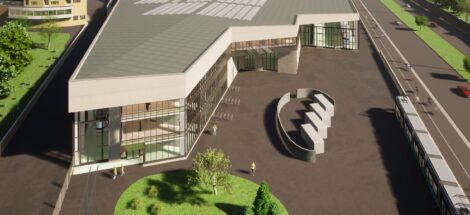
Koskela depot
Sweco is involved in the implementation phase of the Koskela depot project as a design partner in the alliance.The project is part of a sustainable urban environment where functional infrastructure, high‑quality urban design, and ambitious environmental targets come together, supported by a jointly developed carbon management model and a situational awareness tool.
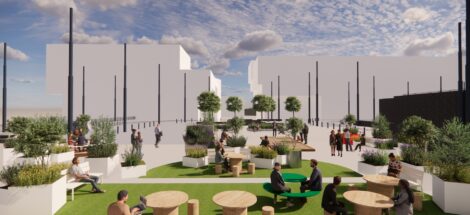
Pop-up urban space
Sweco transformed Ilmalantori into a vibrant urban oasis in the summer of 2025.Sweco and other companies located at Ilmalantori joined forces to create an attractive summer pop‑up square in Western Pasila—Ilmalankeidas—that increases urban greenery through circular‑economy solutions.
Integrating biodiversity into the goals and implementation of urban planning and construction
Considering biodiversity in urban planning and construction is not only about reducing negative impacts—it is also about strengthening the functioning of nature. Sweco’s regenerative design is based on natural processes that support the long‑term vitality, ecological value, and structural performance of the urban environment.
In practice, this can mean for example:
- nature‑based solutions for stormwater management
- diverse green areas that regulate the microclimate
- AI‑ and geospatial‑based analytics for monitoring impacts
With Sweco’s expert tools, transparent and up‑to‑date information can be produced to support decision‑making throughout the different phases of a project, from planning to monitoring.
Do you want to develop solutions where biodiversity is genuinely integrated into urban planning?
Our experts help identify opportunities, manage risks, and integrate biodiversity into a sustainable, vibrant, and attractive urban environment.
Get in touch with us!
Marko Takala
Environment and biodiversityJenny Asanti
Landscape Design