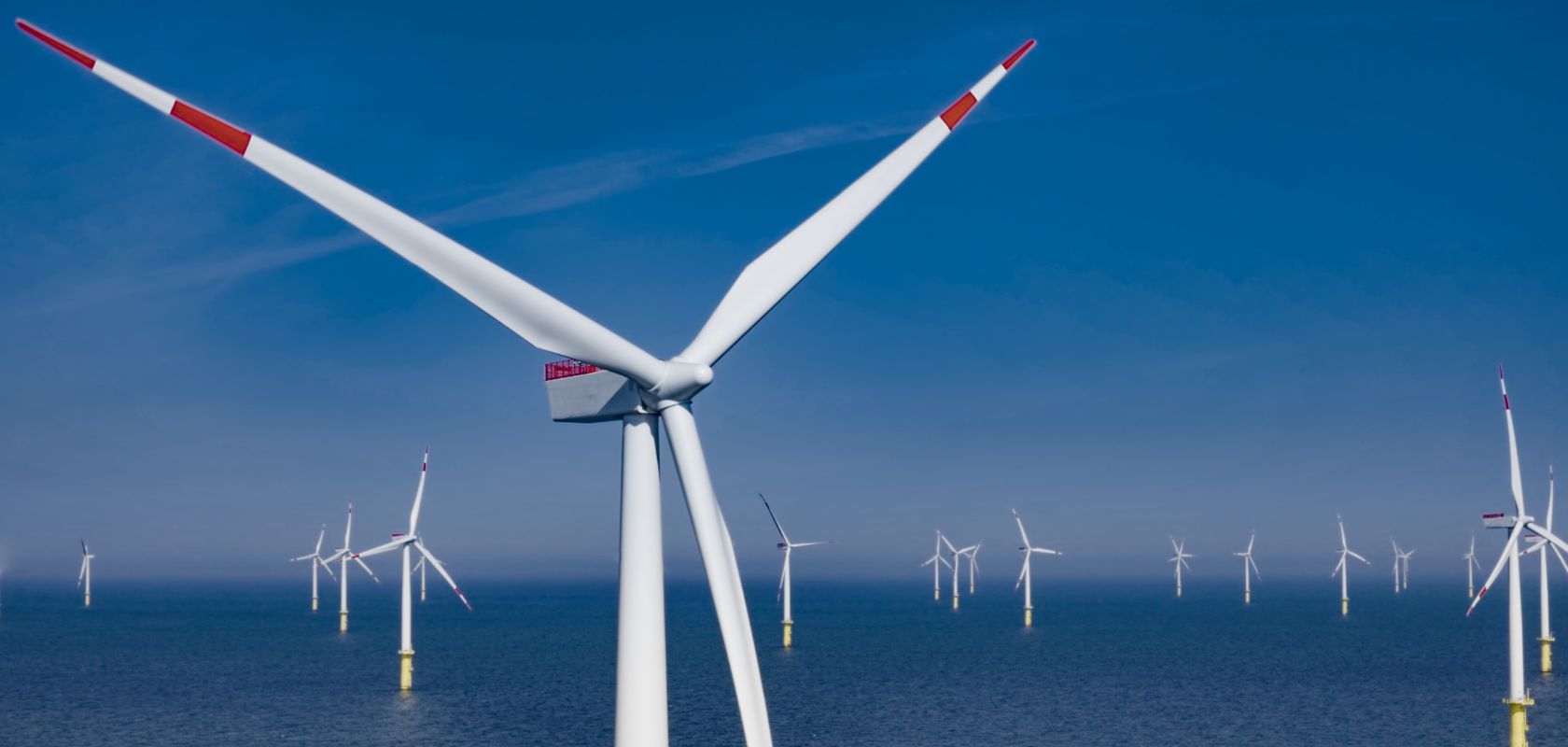
Offshore wind power in Finland: potential, costs and the outlook for the 2030s
The Finnish energy system is entering a phase where the demand for electricity is expected to grow significantly in the coming years. Data centres, electric boilers, green hydrogen production and the broader electrification of industry are changing the demand structure quickly and permanently. In this situation, the question is no longer whether more electricity generation is needed, but on what timetable and at what cost it can be built.
Offshore wind power has emerged as a potential solution to this challenge because of its scale. But from the perspective of production potential and cost, how realistic is offshore wind power in Finland by the 2030s?
A strategic direction for offshore wind power is being defined now – production will not begin until the 2030s
The development of offshore wind power areas in Finland’s exclusive economic zone (EEZ) is moving from planning to the early stages of implementation. The four preliminary areas identified by the Ministry of Economic Affairs and Employment in the Bothnian Sea and the Bay of Bothnia provide the basis for future offshore wind power capacity in the EEZ. The tendering process that the Energy Authority is preparing for these areas is expected to begin in 2026. In addition to the EEZ, production is also being planned in territorial waters managed by Metsähallitus and in Åland.
Building offshore wind power is an exceptionally long-term investment: decisions on the areas and developers must be made now so that production can be seen in Finland in the 2030s.
Offshore wind power potential is undeniable – but it does not yet solve anything
Sweco carried out a project for the Ministry of Economic Affairs and Employment to assess the production potential and costs of offshore wind power in the EEZ, as well as the expected value of the exploitation permits for the areas. Information on the electricity generation costs of the preliminary offshore wind power areas in the EEZ will be used as background material when decisions are made on the selection of areas and the timetable for tenders.
According to Sweco’s analysis, the combined production potential of the four selected offshore wind power areas is approximately 18.9 TWh per year. The figure is significant: it would correspond to about 22% of Finland’s total electricity consumption in 2025.
Production potential varies between the areas, and feasibility is determined in particular by sea depth, seabed conditions, foundation solutions and transmission connections. In practice, not all identified areas are equally realistic development sites.
Economic reality: costs do not match the market
The cost structure of offshore wind power does not currently align with electricity market prices. The main cost components of these projects – turbines, foundations and grid connections, together with related installation and logistics – keep investment levels high. According to Sweco’s estimate, investment costs for offshore wind power in the areas examined range, in real current-money terms, from about 2.8 to 3.8 M€/MW. This would correspond to a levelised cost of electricity (LCOE) of about 90 to 110 €/MWh. The most significant uncertainties in the cost estimates relate, among other things, to suitable foundation solutions and the price levels of steel and concrete. In addition, project profitability is strongly affected by financing costs.
At present, there is a gap between the production costs of offshore wind power and the market price of electricity, which makes investment decisions challenging in the areas examined. As part of the project, Sweco also examined developments in the Nordic wholesale electricity market. Electricity demand was found to be increasing across all Nordic countries, but above all due to strong growth in onshore wind and solar power, no radical changes in the price level are expected compared with today.
Conclusion: offshore wind power needs more than wind
As a starting point, the Ministry of Economic Affairs and Employment’s action plan for promoting offshore wind assumes that offshore wind farms in Finland will be built on market terms. For this reason, the role of offshore wind power in Finland’s energy system depends decisively on its economic competitiveness. Although the production potential is significant and the long-term demand outlook supports the need for additional capacity, the current cost level of offshore wind power remains above market price signals. At the same time, this creates an opportunity for Finnish companies active in offshore wind to develop innovations that can reduce costs, for example in technology solutions or construction. Globally, offshore wind offers substantial potential that is also within reach for Finnish players.
Author: Tuukka Rautiainen, Director, strategic energy advisory