Strategic Masterplan brought together people, communities, and perspectives in the municipality of Ii in Finland
Published: June 27, 2025
Implementing the strategic masterplan took several years in the municipality of Ii, but the result truly represents various perspectives ranging from local industries to renewable energy production and the development of village communities. Sweco’s experts were alongside the municipality throughout the process.
Strategic Masterplan is the municipality’s shared vision
The development of the strategic masterplan for the entire municipality was initiated in Ii in 2019. The aim was to complement the municipal strategy and guide the major aspects of future land use in a mutually agreed and equitable manner.
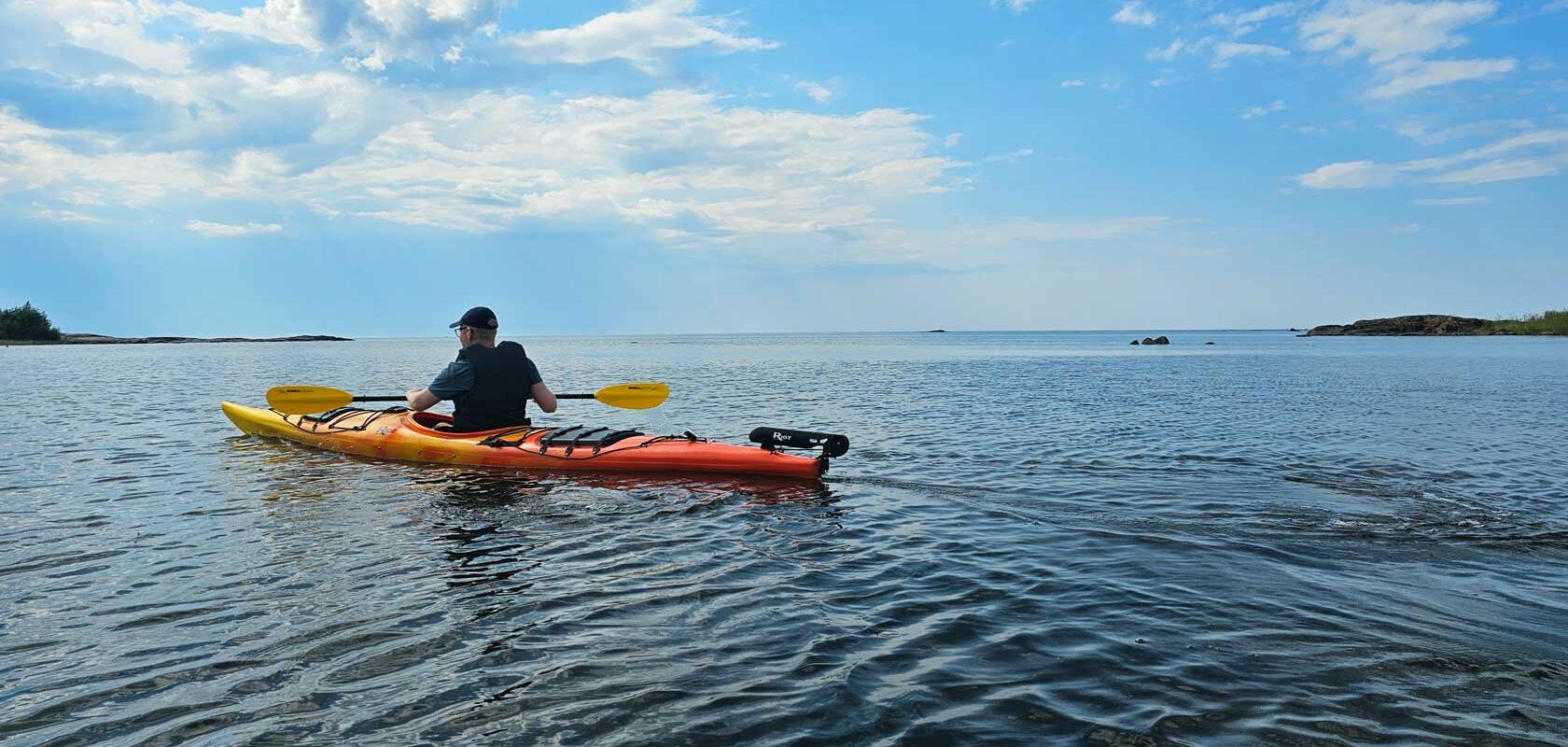
“Ii is a large municipality by area, so there are many needs for coordination ranging from reindeer herding to tourism and wind power construction,” says the municipality’s Director of Economic Affairs, Helena Illikainen. Including its maritime areas, the municipality of Ii covers about 2,900 square kilometers, with a land area of approximately 1,600 square kilometers, which is comparable to the size of Åland Island in Finland.
To ensure the strategic masterplan genuinely represents a shared vision for the municipality’s future, the process was given ample time. For example, the draft plan was made available for viewing twice.
“We found along the way that the plan wasn’t ready yet, and we considered new perspectives,” Illikainen recalls. In May 2025, the plan went for approval, and the decision-making was unanimous. “We approved the masterplan with good feelings!”
Broad expertise in the strategic planning process from Sweco
The same Sweco land use and zoning experts were alongside the municipality throughout the process. They were very familiar with the operational environment. “We have been involved in Ii, for example, with city plan and shore master plan projects as well as the general planning of the Sääskenharju circular economy park,” says the plan designer from Sweco, Jaakko Raunio.
Illikainen is grateful for how well the municipality’s needs were known at Sweco. “The process also required various impact assessments and studies related to Natura areas, reindeer husbandry, and traffic, among other things. We got everything we needed from the same house.”
Strategic Masterplan is based on development zones
According to Sweco’s plan designer, Johanna Lehto, the strategic masterplan is primarily an expression of the municipality’s shared will and a guiding examination. “At the same time, it is legally binding, making it more enforceable than, for example, a land use strategy.”
The strategical nature allows room in the masterplan for further planning, and land use is directed only generally as development zones. Their main themes are environmental values, housing, industries, traffic, recreation, and tourism. “For example, the northeastern part of the municipality is left for natural environments, reindeer husbandry, and nature tourism,” Lehto explains.
The plan marks nature conservation areas and other valuable natural environments, including coastal areas and river regions. The plan also includes green networks that support biodiversity, which will not be built upon. “For example, Litokaira has a quiet area where wind turbines are not visible, and industrial noises do not reach,” Illikainen adds.
Development zones for industry have been zoned around the municipality’s two substations, and specific areas have been designated for wind power and mining. The municipality has also selected projects it will participate in. “Additionally, the plan supports the ongoing development of the public highway passing the municipality, for example, by defining interchanges,” Raunio says.
The planning process brought people together
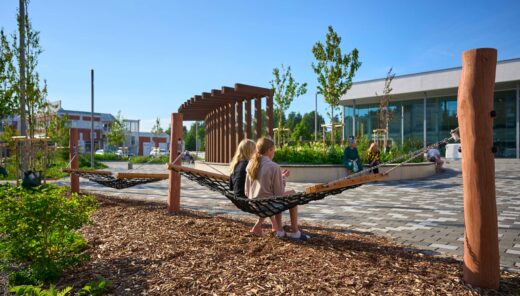
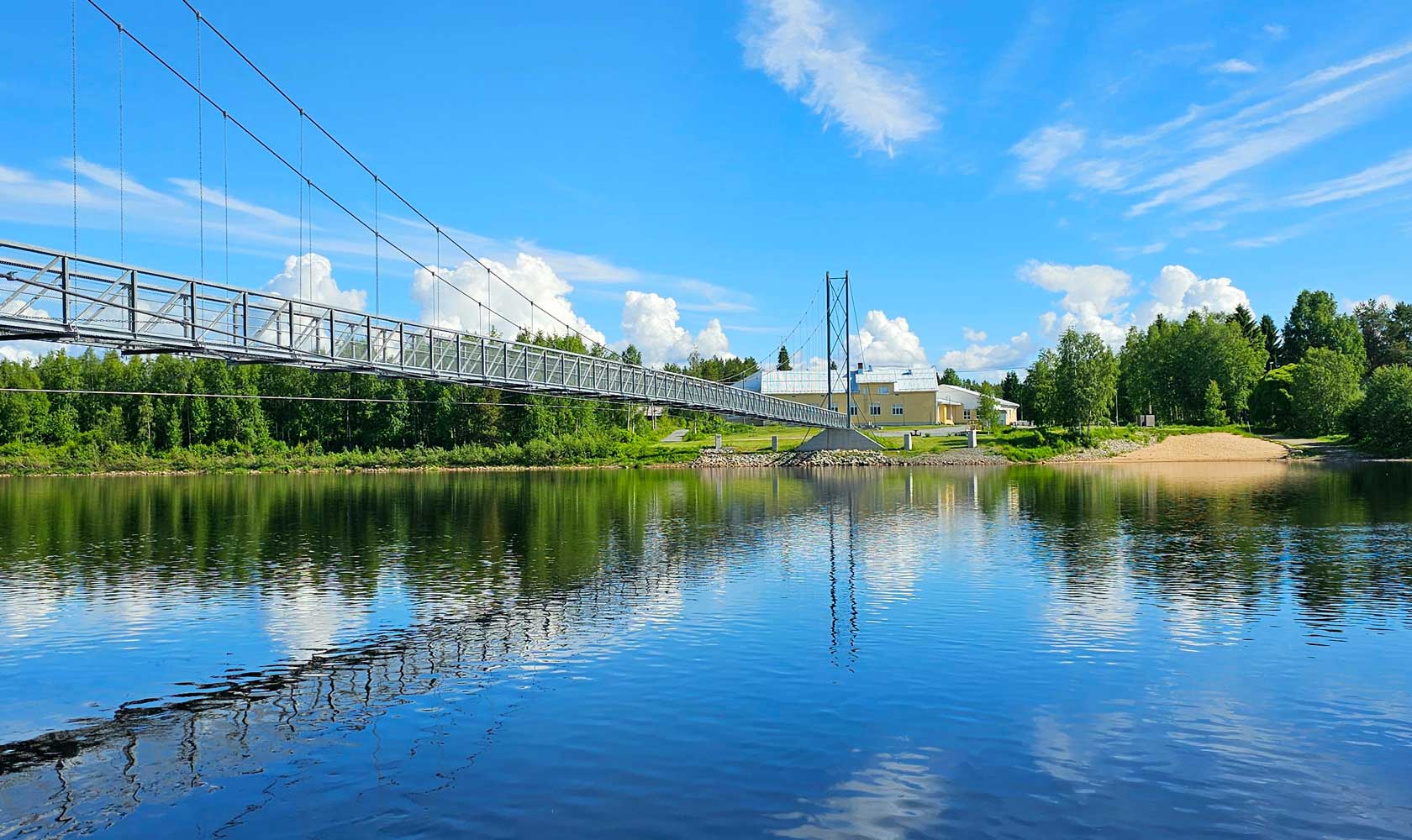
The strategic masterplan took into account that Ii has various living environments ranging from urban settlements to riverfront villages. Village communities actively participated in the planning work, and each village received a village card describing its characteristics and development potential.
“The planning process has brought people together to consider their living and housing environment, which has helped us as a municipality to recognize our strengths,” Illikainen says.
The process included workshops and surveys coordinated by Sweco. “It is precisely because of the interaction that the planning process itself is just as important as the finished result,” Raunio emphasizes. Carefully considered and justified choices will facilitate discussion in the future as well.
Masterplan supports Ii’s sustainability efforts
The strategic masterplan supports Ii’s sustainability goals. The municipality belongs to the network of HINKU municipalities, and circular economy is promoted with the Resource Efficient Ii roadmap. The municipality has completely phased out oil heating and received awards for its climate policies. During the planning process, the positive and negative combined impacts on sustainability were considered.
“The plan must be an enabler of prosperity from various perspectives,” Illikainen emphasizes. For example, renewable energy production through wind and solar power is supported, but not at any cost. Ii is located on the main migration route of birds. “All kinds of organisms, including humans, must be able to live a good life in Ii.”
The strategic masterplan is intended to be updated every council term so that the plan evolves with the world and Ii’s values. Thus, the masterplan remains a compilation of the municipality’s future directions and best features: everything that residents of Ii wish to continue to cherish.
Images: Municipality of Ii