Environmental DNA boosts ecological assessments in projects
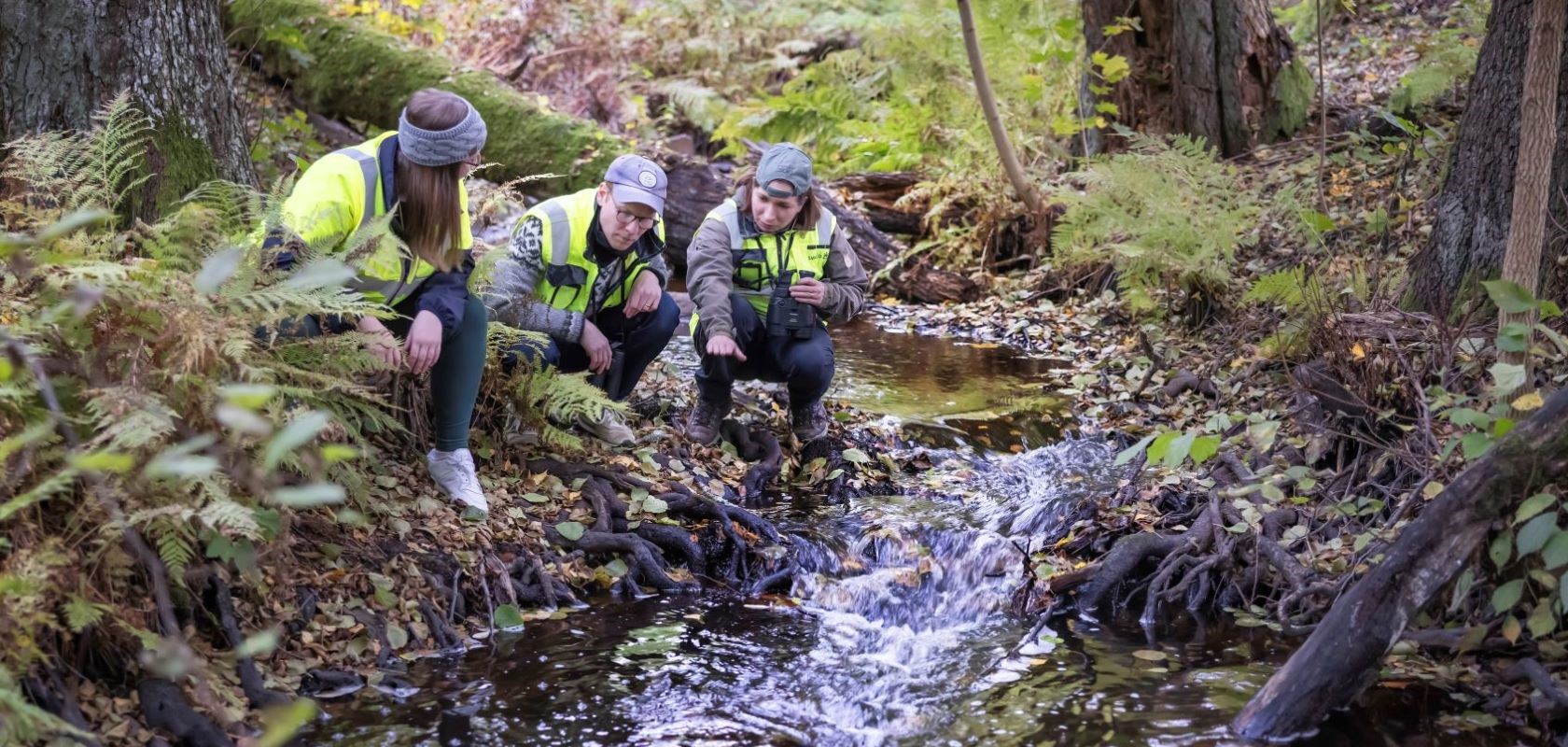
Environmental DNA (eDNA) methods are a cost-effective way to carry out nature surveys in projects by collecting the species’ DNA from the environment. Environmental DNA methods are used to identify individual species in the project area or to estimate the amount of biodiversity at the level of species groups.
eDNA methods respond to the growing need for ecological information in both companies’ sustainability reporting and the environmental impact assessment (EIA) procedures of projects. It is important to integrate ecological information as part of decision-making in land use, from industrial and energy investments to infrastructure and building construction, in order to prevent biodiversity loss.
Environmental DNA (eDNA) methods are molecular monitoring methods that are based on DNA samples. As in criminal investigations, DNA samples are used to identify unique DNA sequences of plant and animal species, which are like genetic barcodes.
DNA samples from the project area will be compared to the reference database, which is currently the most extensive for aquatic species. The existing reference data includes, for example, species that are required by law to be studied in nature surveys, such as the moor frog and protected migratory fish.
Sweco supports its clients in being ecological forerunners, and if they wish, the client can promote science with their project, for example, by adding the DNA barcodes of the new species to international reference database.
Reliable nature information with eDNA methods saves time
Environmental DNA methods enable nature surveys to be carried out cost-effectively, reliably and objectively. New DNA research equipment and methods are constantly entering the market, as well as international standards that harmonise operating methods.
DNA samples can be collected at any time of the year, depending on the species, so the project is progressing faster.
DNA samples can be collected from anywhere in nature or in the built environment, such as water, soil, snow or air.
DNA sampling saves time because field visits are short and less needed. Sampling can be supplemented with wildlife cameras and audio recorders left in the field, as well as traditional nature survey methods.
Species observations based on DNA samples are scientifically objective, comparable and repeatable.
Utilisation and applications of environmental DNA
eDNA methods are at their best in situations where species that are otherwise difficult to detect or identify in field surveys are searched. Environmental DNA methods can be used to find, for example, the resting sites of the critically endangered lesser white-fronted geese in Finland, or to distinguish between the native species European beaver and the invasive species North American beaver from wood chip samples.
Environmental DNA methods can be used for many purposes:
In renewable energy projects, observing the plant and animal species in the area.
In nature restoration projects and the monitoring of ecological compensation.
eDNA-based nature surveys for EIA projects
We utilise field surveys and eDNA methods in the nature surveys of EIA and land-use planning procedures. Environmental DNA methods can be used to answer the client’s questions about the existence of individual species or groups of species in the project area or to assess biodiversity more generally.
DNA-based species identification helps to find endangered aquatic species, such as salmonids and the freshwater pearl mussels that depend on them.
In the assessment of microbial communities, it is often sufficient to identify the genus and the function of the species, such as pathogens or beneficial decomposer microbes.
eDNA methods can be used to survey, for example, the diversity of pollinators and plants in urban meadows or the species richness of wetland birds.
The utilisation of environmental DNA methods requires multidisciplinary expertise. The best result is achieved when geneticists’ expertise in eDNA methods is combined with field ecologists’ extensive knowledge of species. That’s why our eDNA experts and ecology specialists work closely together. We also actively engage with the international scientific community and collaborate with Nordic partners on developing eDNA methods with researchers and authorities.
This is how eDNA services with Sweco proceed
You will get eDNA experts and nature consultants from the same company! We offer a turnkey package for the utilisation of environmental DNA methods. The content of the service is tailored on a case-by-case basis according to the project and the client’s goals. Sweco’s genetics expert takes care of quality assurance throughout the project.
Initial consultation. We design cost-effective DNA sampling as well as laboratory testing and analysis methods.
Sampling. We take DNA samples during field visits in accordance with international standards.
Laboratory work. Our partner laboratory examines DNA samples using agreed genetic methods.
Data analysis. The bioinformaticians of the partner company perform the species identification on a computer and compile the results.
Final report. We present the results and conclusions clearly and visually, for example, on map making it straightforward to understand and communicate the impacts on the project.
Ask us for more information
With Sweco, you can carry out a wide range of genetics-based projects.
3D-plans directly in your browser. We developed building and environmental plans for everyone with a new browser-based visualisation service. VisuLight enables the viewing, presentation and co-creation of 3D models without separate software installations.
We and our partners use cookies and similar technologies to operate our website, analyse traffic, personalise content, and serve and measure personalised ads. You can accept all cookies, reject non-essential cookies, or manage your preferences below. For more info, please visit our Cookie policy.
Functional
Always active
The technical storage or access is strictly necessary for the legitimate purpose of enabling the use of a specific service explicitly requested by the subscriber or user, or for the sole purpose of carrying out the transmission of a communication over an electronic communications network.
Preferences
The technical storage or access is necessary for the legitimate purpose of storing preferences that are not requested by the subscriber or user.
Statistics
The technical storage or access that is used exclusively for statistical purposes.The technical storage or access that is used exclusively for anonymous statistical purposes. Without a subpoena, voluntary compliance on the part of your Internet Service Provider, or additional records from a third party, information stored or retrieved for this purpose alone cannot usually be used to identify you.
Marketing
The technical storage or access is required to create user profiles to send advertising, or to track the user on a website or across several websites for similar marketing purposes.