A transformation in battery recycling
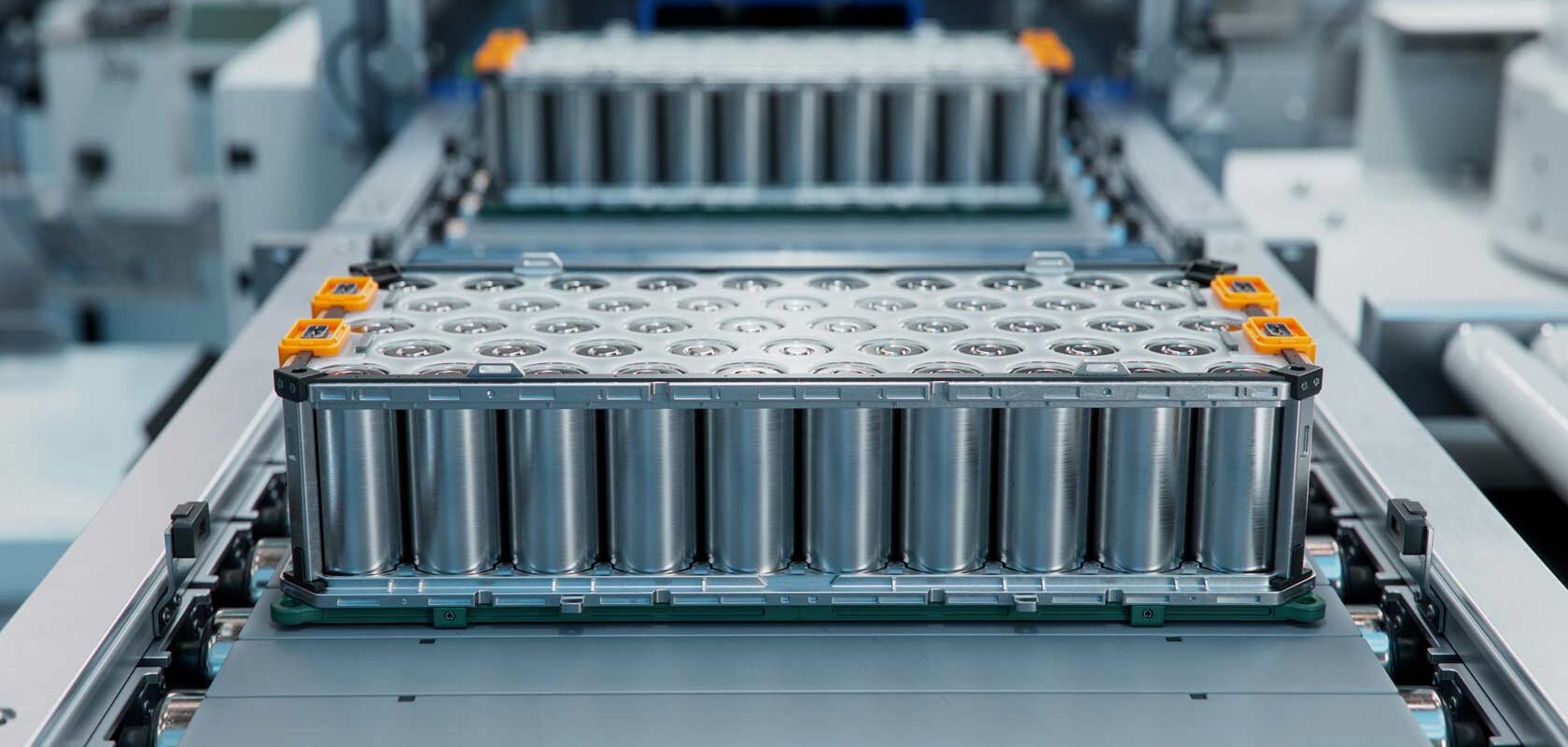
The growth of energy storage Is transforming the battery recycling market. The increasing use of energy storage systems is transforming the battery recycling market. Alongside the nickel‑based lithium‑ion batteries commonly used in electric vehicles, lithium iron phosphate (LFP) batteries—particularly widely used in energy storage—are becoming more prevalent. Their raw materials are more affordable and different to recycle. How is the rapidly growing energy storage market reshaping the battery recycling landscape?
Batteries are not only needed in electrified transport and consumer electronics. They have proven to be a critical technology for storing renewable energy, and the fast‑developing energy storage market is a major driver of the battery industry.
This shift also affects the battery recycling market—but why, and in what ways?
Battery recycling – New sources of uncertainty
Battery recycling is facing uncertainty due to the difficulty of predicting both the volume and quality of battery materials entering the recycling stream. Although current recycling capacity is sufficient for present needs, battery use continues to grow, and we cannot accurately foresee how many batteries—and of what type—will reach end‑of‑life in the future:
- The electrification of transport has been slower than previously estimated.
- Battery lifespans have proven to be longer than expected.
- Batteries used in energy storage systems differ from those used in the automotive industry.
Additional uncertainty arises from the rapid development of battery technologies and new battery materials. If batteries were made of highly valuable metals such as gold, they would be efficiently returned for recycling, and recycling processes would be economically viable. In reality, batteries do contain several valuable raw materials, but separating them from used batteries requires complex processes, chemicals, and energy.
Recycling is not always economically viable based solely on the sale of recovered materials. In such cases, recycling generates costs that must be reflected in product pricing when batteries are placed on the market.
New battery materials require investments in the recycling value chain
From a recycling perspective, a particular challenge is the growing use of lithium iron phosphate (LFP) batteries alongside nickel‑rich NMC batteries. LFP batteries are especially common in energy storage systems and increasingly also in electric vehicles. While LFP batteries can be produced at lower cost, the downside is that the recycling value of the recovered materials is also lower.
Key battery raw materials are extracted from nature and refined into battery materials. The prices of these minerals are determined by the market and are often subject to rapid fluctuations. Recycling costs, however, are largely independent of raw material price changes. As a result, when raw material prices fall, the economic viability of recycling deteriorates.
Although recycling is beneficial from a resource‑use perspective, it may become economically unsustainable if sufficient compensation cannot be obtained for recovered materials. Therefore, establishing a well‑functioning recycling system requires predictable and reliable regulation to ensure sufficient investments in the recycling value chain, now and in the future.
Why Europe should not become merely a battery user
The European battery industry requires clear and consistent legislation to remain competitive and keep pace with global developments. If the EU does not actively support the battery industry, Europe risks becoming merely a user of batteries.
If we leave the production and recycling of battery materials to others, we will lose valuable secondary raw materials, investments, innovations, and control over technologies that our society depends on. Batteries are essential in many critical applications, and their availability can only be secured by investing in European production and expertise.
At Sweco, we support our clients in all matters related to battery material production, battery use, and recycling. Our experts assist with issues such as battery safety, legislation, and producer responsibility.
The EU Battery Regulation and the Critical Raw Materials Act support the objective of building a sustainable battery industry in Europe. In the next blog, I will discuss how these regulations impact the use and recycling of industrial batteries.
Erno Voutilainen, Market Executive, Battery Industry, erno.voutilainen@sweco.fi