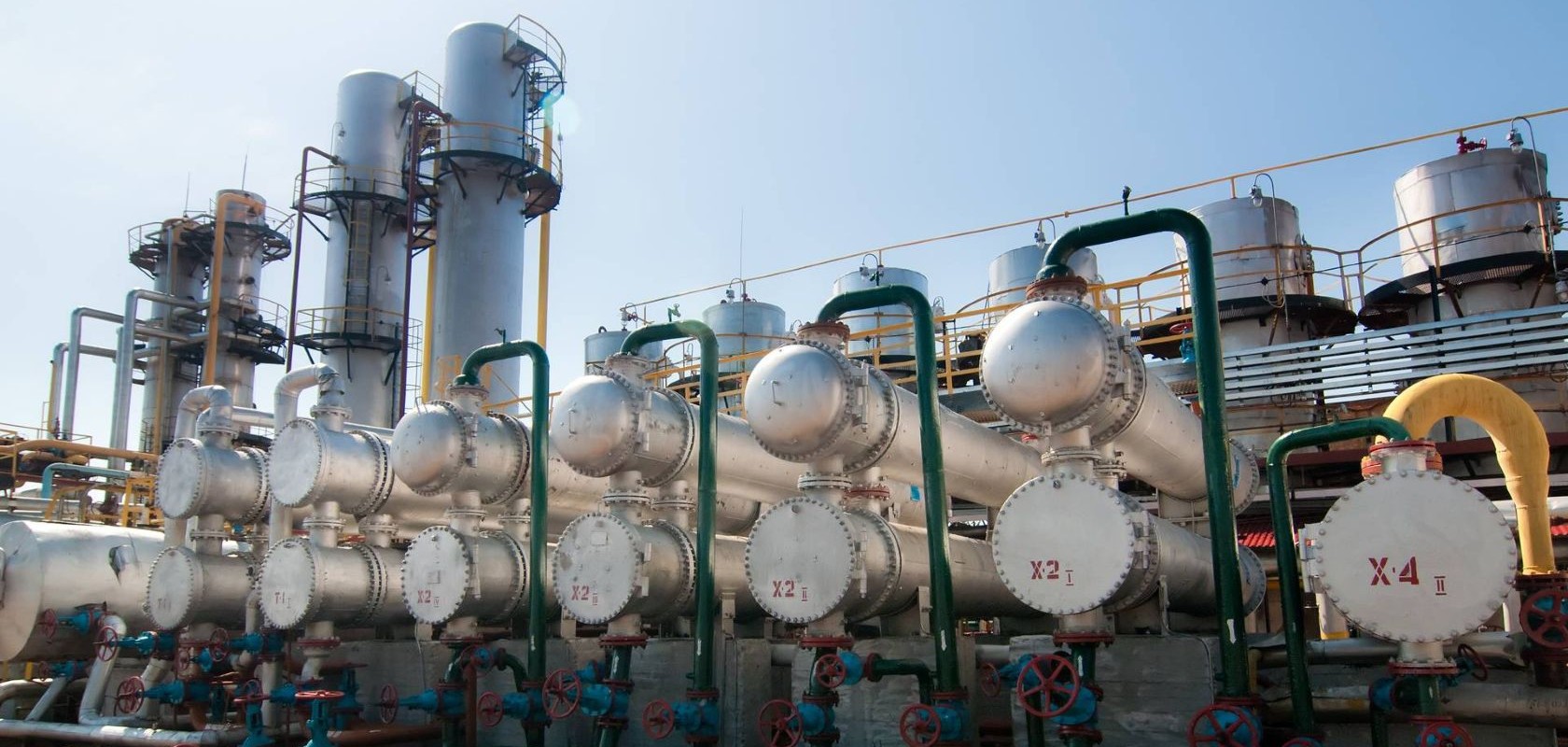
Gas network engineering and consulting services at Sweco
Gas network engineering and consulting
A reliable gas network supports energy self-sufficiency, industrial investments and the utilisation of renewable gases. We help to design and renew gas networks in situations where energy production is diversifying, the use of biogas and synthetic methane is increasing, and carbon capture creates new pipeline and transmission needs.
Gas networks are part of critical energy infrastructure and circular economy value chains. New natural gas and biogas pipelines, maintenance of the existing methane network and carbon dioxide transmission solutions support local plant investments and reduce dependence on individual energy flows and methane imported from outside Europe. Biogas and carbon dioxide pipelines support the implementation of the circular economy.
The engineering of new natural gas and biogas pipelines and the maintenance of the existing methane network will support Finland’s and Europe’s energy self-sufficiency and strengthen our resilience.
Sweco’s experts help to develop the gas network infrastructure in Finland and Europe, both in local biogas network and transmission pipeline projects as well as in larger energy infrastructure development entities.
Partner for gas network and circular economy investments
We help biogas plants, distribution network companies and industry in the design of local and regional biogas networks and transmission pipelines. The design of biogas pipelines and networks is often linked to broader circular economy investments that take into account material flows, logistics, safety and the utilisation of end products.
We also design solutions related to carbon capture, liquefaction, storage and transfer. We study innovative carbon capture and transfer solutions to help the Finnish paper and forest industries, among others. Bio-based carbon dioxide can be combined with hydrogen to produce renewable synthetic electrofuels, such as E-methane, when carbon capture, hydrogen and energy infrastructure are designed to work as a whole.
Sweco acts as a framework agreement partner for the Finnish state-owned company Gasgrid in the planning of the maintenance and expansion of the transmission and distribution network for natural gas and synthetic methane. The aim is to create a multi-gas platform connected to Europe that transports biogas, liquefied natural gas (LNG), hydrogen and synthetic methane in addition to traditional natural gas.
Sweco’s services in gas network projects
Sweco’s engineering and expert services cover everything from strategic and feasibility studies to permit support, from pre-planning to design and project management services, in all types of gas network projects: natural gas, biogas, methane and carbon dioxide. Our services support gas network projects both when a new pipeline is being planned and an existing network is being developed, or if the industry and energy production needs have changed. Gas network clients appreciate Sweco’s extensive international experience and local presence.
- Pre-planning, general and implementation of gas networks
- Business Strategies and Due Diligence assessments
- Feasibility and material studies
- Environmental Impact Assessments (EIA), field visits and nature surveys
- Support for construction permit processes
- Geotechnical engineering and investigation of construction conditions
- Route planning for natural gas, biogas and carbon dioxide pipelines
- Network modelling, collision inspections and coordination with the rest of the infrastructure
- Project and construction management and supervision
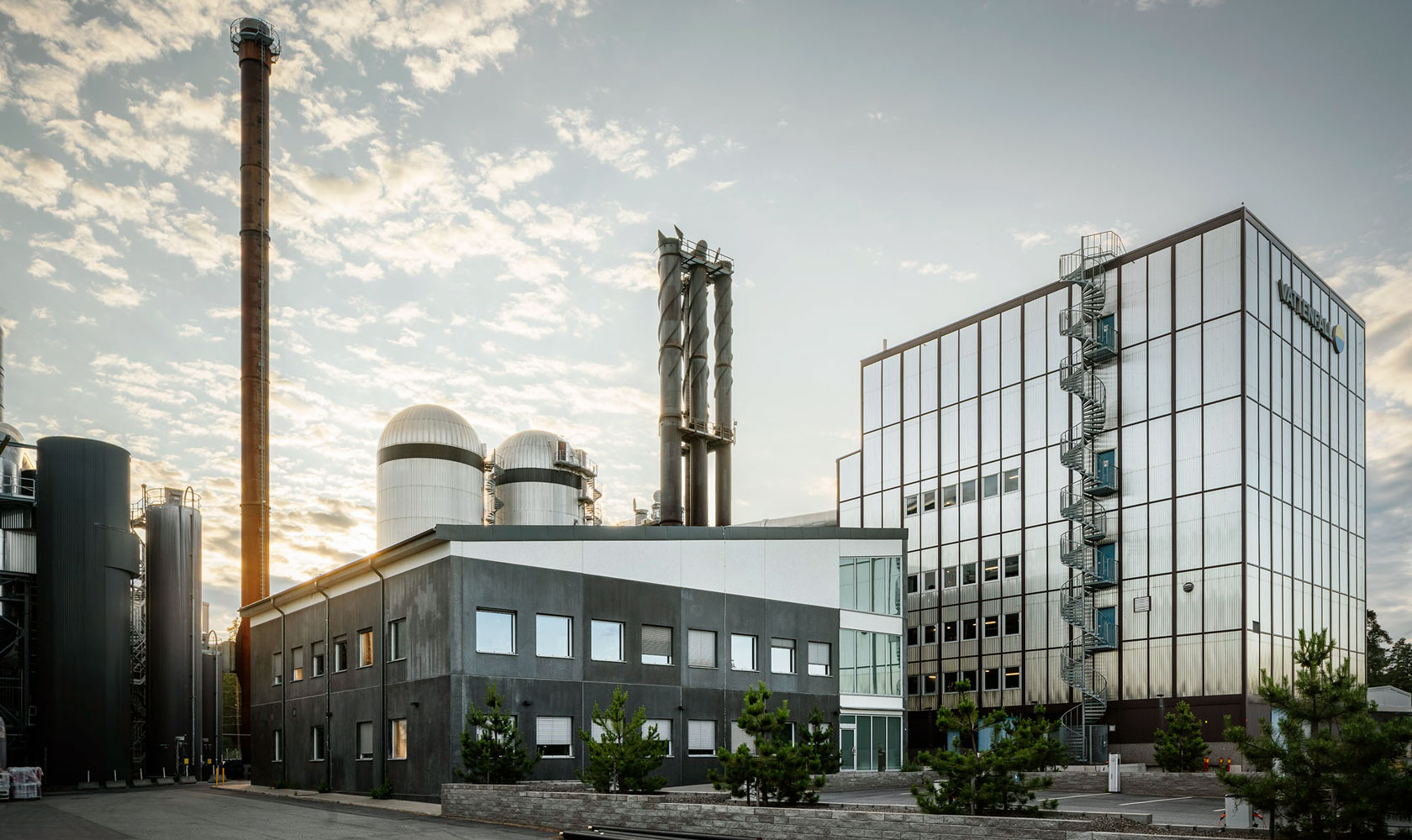
Frequently asked questions about gas networks
The development of gas networks is needed that the energy and industrial infrastructure can respond to the changing production, use and transmission needs of gases. The developing gas network enables, for example, the safe transfer of biogas, biomethane, synthetic methane and carbon dioxide from production plants, terminals or energy storages to users. At the same time, the development of networks supports energy self-sufficiency, security of supply, industrial investments and circular economy solutions.
Gas network engineering and consulting covers, for example, the examination of pipeline routes, dimensioning, materials, safety solutions, permit processes, environmental impacts and construction conditions. The planning also takes into account the operational reliability of the network, coordination with other infrastructure, and future production and use needs.
The engineering of gas networks must take into account gas properties, pressure, materials, joints, safety distances, supervision and regulatory requirements. Careful planning helps to manage risks related to leaks, explosion hazards, construction and maintenance.
Biogas can be processed into biomethane and fed into the gas network or used locally for the needs of industry, transport or energy production, for example. The design of biogas networks is often related to the entirety of biogas plants, material flows and circular economy solutions.
Carbon capture can create a need for carbon dioxide transfer, storage and further processing solutions. Pipelines can connect the capture plant, liquefaction, storage, further processing and potential applications as part of the industrial value chain.
Renovation or modernisation may be topical when the network’s age, capacity needs, safety requirements, new connections, industrial investments or the introduction of renewable gases require network development.
Contact our experts!
Antti Ryynänen
Business Director, Water and Energy Networks